

Quick summary
How to open a grocery store: choose your format, write a business plan, and secure financing. Then lock in a location, handle licensing, set up suppliers, and add a grocery-ready POS before you hire and market. A small specialty market can start near $50,000; a full supermarket can exceed $1 million.
Introduction
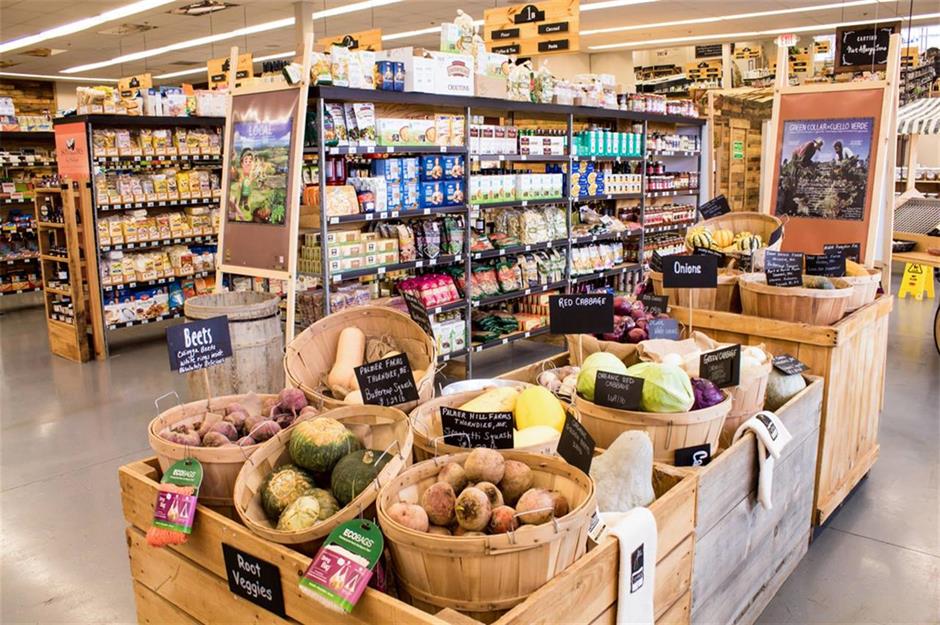
Opening a grocery store is one of the most rewarding and operationally demanding businesses you can build. Margins are thin, the logistics are relentless, and the competition includes regional chains with deep pockets. Independent grocers win by doing what big-box stores cannot: knowing their community, curating their shelves, and running lean.
This guide walks through every major step of opening an independent grocery store in 2026. It covers concepts, costs, licensing, suppliers, staffing, and the technology decisions that quietly affect your profitability for years. Whether you are launching your first location or modernizing a family business, this guide serves as a practical roadmap.
Why Listen to Us
Plenty of articles tell you how to open a grocery store. This one comes from a team that has helped independent grocers run since 1958.
BMC (Business Machines Company) has equipped independent retailers with POS and payment systems for over 65 years, with grocery as one of our core industries. We have seen what separates the independents who grow from the ones who stall, and much of it comes down to the systems behind the counter.
We work vendor-independent, offering solutions from NCR, PAR, and TGCS. So the guidance here is about what fits your store, not what we are selling.
Is Opening a Grocery Store Worth It?
Grocery is a high-volume, low-margin business. Net margins for independent grocers typically run in the low single digits, often 1% to 3% after expenses. That sounds discouraging until you understand the model. Grocery makes its money on turnover and operational discipline, not on product markup.
That dynamic shapes everything. A store doing $3 million a year at a 2% net margin keeps roughly $60,000. A half-point improvement in efficiency or shrink control can meaningfully change that number. This is exactly why the systems you put in place at launch matter so much. The grocers who thrive refuse to throw labor at problems that systems should solve.
If you are looking to start a grocery store, go in with clear expectations. It is a long game built on consistency, supplier relationships, and tight operations. The upside is a durable, community-anchored business that, when run well, can support a family for generations.
Step 1: Choose Your Store Format and Concept
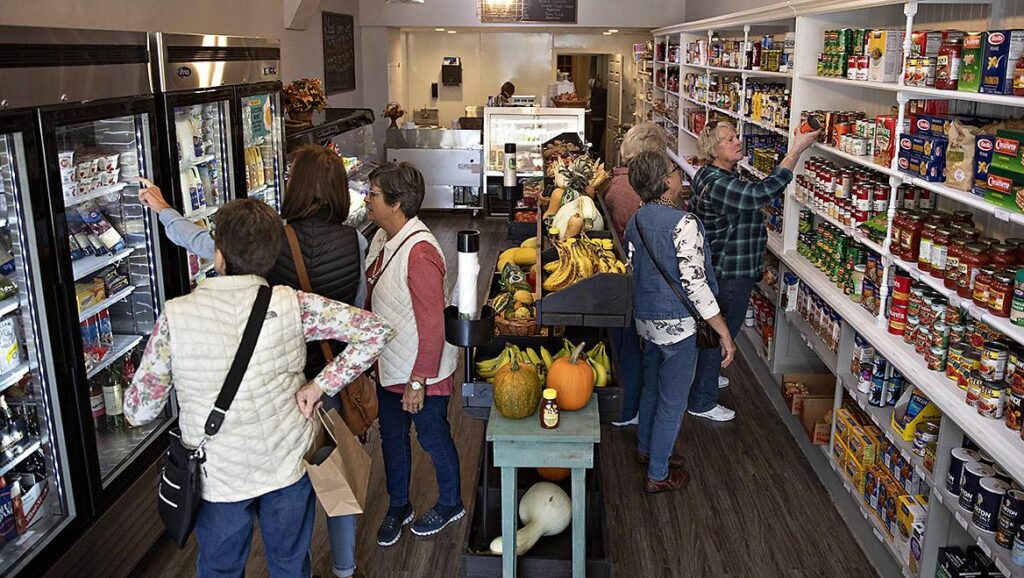
Before anything else, decide what kind of grocery store you are opening. Your format dictates your space requirements, inventory mix, staffing, and startup budget.
Common independent formats include:
- Full-service supermarket: A complete grocery offering with fresh produce, meat, dairy, deli, and center-store goods. Highest startup cost and complexity, but the strongest community anchor
- Neighborhood or specialty market: Smaller footprint and a curated selection, often emphasizing local, organic, or premium goods. Lower entry cost and a clear point of difference
- Convenience-leaning grocery: Smaller stores focused on speed, essentials, and high-traffic locations
- International grocery: Serving a specific community with products the chains do not stock well. These stores often build very loyal customer bases
For most first-time independent operators, a focused concept is better than trying to out-supermarket the supermarkets. Identify the gap in your community, such as a fresh-food desert, an underserved cultural niche, or a walkable neighborhood without a quality option, and build toward it.
Step 2: Write a Business Plan
A business plan forces you to pressure-test your idea before you spend real money, and you will need one to secure financing. Keep it practical rather than academic. At minimum, cover:
- Executive summary: Your concept, location, and what makes it viable
- Market analysis: Local demographics, competition, and the specific demand you are serving
- Operations plan: Hours, staffing model, supplier strategy, and how the store will physically run
- Financial projections: Startup costs, monthly operating expenses, break-even timeline, and realistic revenue forecasts for years one through three
- Marketing plan: How you will attract and retain customers in a market where loyalty is everything
Be conservative with revenue and generous with expense estimates. Grocery startups routinely underestimate how long it takes to build the daily traffic that makes the model work.
Step 3: Understand the Startup Costs
Startup costs for an independent grocery store vary widely based on your format, location, and whether you build new or acquire an existing operation. Treat the ranges below as planning estimates, not guarantees. Your actual numbers will depend on your market.
Typical cost categories include:
- Lease, deposit, or property purchase: Often the single largest variable. Leasing a retail space might run a few thousand dollars per month plus deposits, while buying property can run into the hundreds of thousands or more
- Build-out and fixtures: Shelving, checkout lanes, lighting, and flooring. Budget meaningfully here, especially for a full build-out
- Refrigeration and equipment: Coolers, freezers, and display cases are among the most expensive items in any grocery store, frequently tens of thousands of dollars
- Initial inventory: Your opening stock. This scales with store size and can reach six figures for a full-service supermarket
- POS and payment systems: Hardware, software, and setup for checkout, inventory, and reporting
- Licenses, permits, and insurance: Varies by state and product mix
- Staffing and pre-opening payroll: Wages during training and setup before revenue starts flowing
- Working capital: A cash cushion to cover the early months while you build traffic. Do not skip this
All in, a small specialty market might launch for $50,000 to $150,000, while a full-service supermarket built from scratch can exceed $1 million. Acquiring an existing store, along with its equipment, customer base, and cash flow, can sometimes be the most cost-effective way in.
Can You Open a Grocery Store With No Money?
Not realistically, but you can open one without funding the whole thing yourself. Most independent grocers combine personal capital with outside financing. For lower-capital routes, acquire an existing store with seller financing, partner with investors, or start with a smaller specialty format and scale later.
Step 4: Secure Financing
Few people open a grocery store entirely out of pocket. Common funding sources include:
- SBA loans: Small Business Administration loans, such as the 7(a) program, are a popular route for grocery startups and offer favorable terms for qualified borrowers
- Conventional bank loans: These often require strong credit and a solid business plan
- Seller financing: When acquiring an existing store, the seller may finance part of the purchase, which lowers your upfront cash need
- Equipment financing or leasing: This spreads the cost of refrigeration, fixtures, and POS hardware over time instead of paying up front
- Investors or partners: Bringing in capital partners in exchange for equity
Lenders want to see a credible plan, relevant experience, and evidence that you understand the thin-margin reality of grocery. Have your projections and market analysis ready.
Step 5: Find and Secure a Location
Location decides a lot in grocery. A great store in the wrong spot will struggle, while an average store in the right spot can thrive. Evaluate prospective locations against:
- Foot and vehicle traffic: Daily volume and visibility
- Demographics: Whether the surrounding population matches your concept and price point
- Competition: Proximity to chains and other independents, and their underserved gaps
- Accessibility and parking: Especially important for full baskets and repeat trips
- Space and layout potential: Room for sales floor, storage, refrigeration, loading, and back office
- Lease terms: Length, escalation clauses, and renewal options
Independent grocers often win by going where the chains will not, such as neighborhoods, smaller towns, or communities with specific needs the big stores ignore. Do not try to fight a supercenter on its own turf.
Step 6: Handle Licenses, Permits, and Compliance
Grocery is a heavily regulated business, and the requirements stack up quickly. Exact rules vary by state and municipality, so confirm locally, but plan for:
- Business license and entity registration: Forming your LLC or corporation and registering with your state
- Employer Identification Number (EIN): For taxes and payroll
- Sales tax permit: Required to collect and remit sales tax
- Food handling and health department permits: Especially critical if you sell fresh, prepared, or deli foods
- Weights and measures certification: For scales and scanners
- EBT and SNAP authorization: To accept SNAP benefits, you will need USDA FNS authorization. For many neighborhood grocers, this is essential to serving the community and capturing sales
- WIC vendor authorization: If you will serve WIC customers, a separate state approval process applies
- Alcohol and tobacco licenses: If you plan to sell beer, wine, spirits, or tobacco, expect additional state and local licensing plus age-verification obligations
Build compliance into your operations from day one. The ability to process EBT, WIC, and other healthy-benefit programs accurately at checkout is more than a legal box to tick. It directly affects which customers you can serve and how smoothly your lanes run.
Step 7: Set Up Suppliers and Inventory
Your supplier relationships determine what is on your shelves, your cost of goods, and ultimately your margins. Most independent grocers work with a mix of:
- Wholesale distributors and co-ops: Full-line distributors and grocery cooperatives supply the bulk of center-store and many fresh categories, often with the buying power independents need to stay competitive
- Direct store delivery (DSD) vendors: Beverages, snacks, and bread are frequently delivered and stocked directly by the vendor
- Local and specialty suppliers: Local produce, dairy, and regional products are a real differentiator for independents and a draw for community-minded shoppers
When negotiating, pay attention to deal-buying cycles and rebate programs. A large share of independent grocery profitability comes from buying smart during promotional windows and capturing every supplier rebate you are owed. That money is easy to miss without the right tracking in place.
Step 8: Choose Your Technology, Including POS and Payments
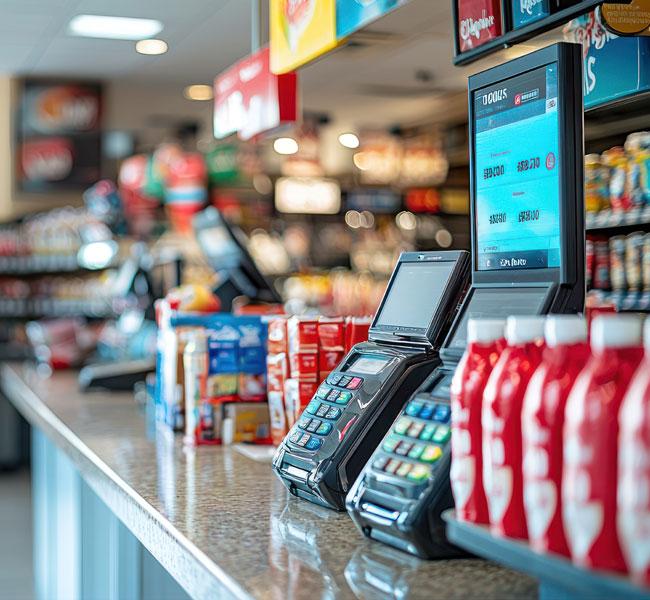
Your point-of-sale system is the operational backbone of your store. It is far more than a cash register. It is where checkout speed, inventory accuracy, compliance, reporting, and margin protection converge. Choosing well at launch saves you from an expensive, disruptive switch later.
For independent grocers specifically, prioritize a system that handles:
- Healthy-benefit and alternative payments: EBT, SNAP, eWIC, and food-stamp processing handled cleanly at the lane. This is non-negotiable for most neighborhood grocers. See how BMC approaches POS payments
- Grocery-grade inventory and deal-buying: Many independent grocers do not run full perpetual inventory. The real value is managing gross margin across deal-buying cycles and controlling costs in those windows. Look for a system purpose-built for that reality rather than a generic retail inventory system
- Self-checkout options: Self-checkout and self-service kiosks ease labor pressure during peak hours, which is a real advantage when staffing is tight
- Loyalty programs: Loyalty and rewards drive the repeat visits that thin-margin grocery depends on
- Clear reporting: Visibility into sales, margins, and shrink so you can act on problems before they erode your profit
- Compliance tools: Built-in age verification for alcohol and tobacco sales
- Room to grow: If you ever plan to add locations, multi-location management and consistent reporting across stores matter from the start
The mistake many first-time grocers make is treating the POS as a commodity and choosing based on price alone.
The right system pays for itself by reducing wasted labor, tightening shrink, and capturing the rebate and margin opportunities that keep an independent grocery profitable. Because grocery has needs that generic retail systems handle poorly, it helps to work with a provider that understands the vertical.
Check out our grocery-specific POS systems for more information.
Step 9: Hire and Train Your Team
Grocery is labor-intensive, and your team is the face of your business. Plan your staffing model around your hours and volume, including cashiers, stockers, department leads for produce, deli, and meat, and a manager who can run the floor.
Key considerations:
- Hire for reliability and customer service: In an independent store, friendly and knowledgeable staff are a competitive advantage that the chains struggle to match
- Train on systems early: Make sure everyone is comfortable on the POS, including benefit-card transactions and age-verification prompts, before opening day
- Cross-train where possible: Smaller stores benefit from staff who can flex across departments
- Budget for pre-opening payroll: You will pay wages during training and setup before the registers start ringing
Step 10: Plan Your Grand Opening and Marketing
You have built the store, and now you need traffic. Independent grocers depend on local awareness and repeat visits.
Effective launch tactics include:
- A genuine grand-opening event: Promotions, samples, and local partnerships to drive that first wave of foot traffic
- Local marketing: Community boards, local social media groups, neighborhood mailers, and partnerships with nearby businesses
- A loyalty program from day one: Capturing customer data early lets you market to repeat shoppers and understand what is selling
- Community involvement: Sponsoring local events or stocking local products builds the goodwill that keeps customers choosing you over the chain down the road
Your marketing message should lean into what makes you different: local ownership, curated selection, community focus, and high-quality service.
Key Decisions For an Independent Grocery Store
Most of the steps above are reversible. A few are not, or are very expensive to undo. Get these right before you commit serious capital:
- Format and concept. Trying to be everything to everyone is the fastest way to fail. Pick a clear position and own it.
- Location. You can change almost anything except where your store sits. Choose deliberately.
- Supplier strategy. Your distributor and co-op relationships shape your cost structure for years.
- Your POS and payment infrastructure. Switching systems mid-stream is disruptive and costly. Choose a grocery-ready platform with room to grow, not the cheapest register you can find.
- Working capital cushion. Underfunding the early months is the most common avoidable cause of failure. Give yourself runway to build traffic.
Your Next Step
Opening a grocery store is a major undertaking, but independent operators can build durable, community-anchored businesses by getting the fundamentals right: a clear concept, the right location, strong supplier relationships, and operational systems that protect their margins.
Of those fundamentals, the technology you choose at launch is one of the few you will use daily and struggle to replace later.
If you want to understand what a grocery-specific POS and payment setup should do for an independent store, from EBT and WIC processing to deal-buying margin management and clear reporting, explore BMC’s approach to grocery store POS systems.
Or better yet, book a demo today and see for yourself.
Frequently Asked Questions
Anywhere from $50,000 for a small specialty market to well over $1 million for a full-service supermarket. The biggest variables are real estate, equipment, and opening inventory. Acquiring an existing store can lower the upfront cash needed.
Plan for several months to over a year. Licensing, especially EBT, SNAP, and alcohol authorizations, can add time, so start those processes early.
Yes, but on thin margins. Net margins commonly run in the low single digits, so profitability comes from volume, efficient operations, smart buying, and tight control of shrink rather than high markups.
Effectively, yes. A grocery-capable POS handles checkout, inventory, benefit-card payments such as EBT, SNAP, and eWIC, compliance, and reporting. Trying to run a modern grocery store without one means throwing labor at problems that systems should solve.